
Anionic Polyelectrolyte Operating Notes
Practical anionic polyelectrolyte notes for selection, coagulant sequence, feedwell dilution, settling endpoints, dose, water chemistry, preparation and purchasing.
How to Select Anionic Polyelectrolyte for Suspended Solids
Select anionic polyelectrolyte from particle surface, water chemistry, molecular profile, active-dose curves, settling, clarity, compaction and shear response.
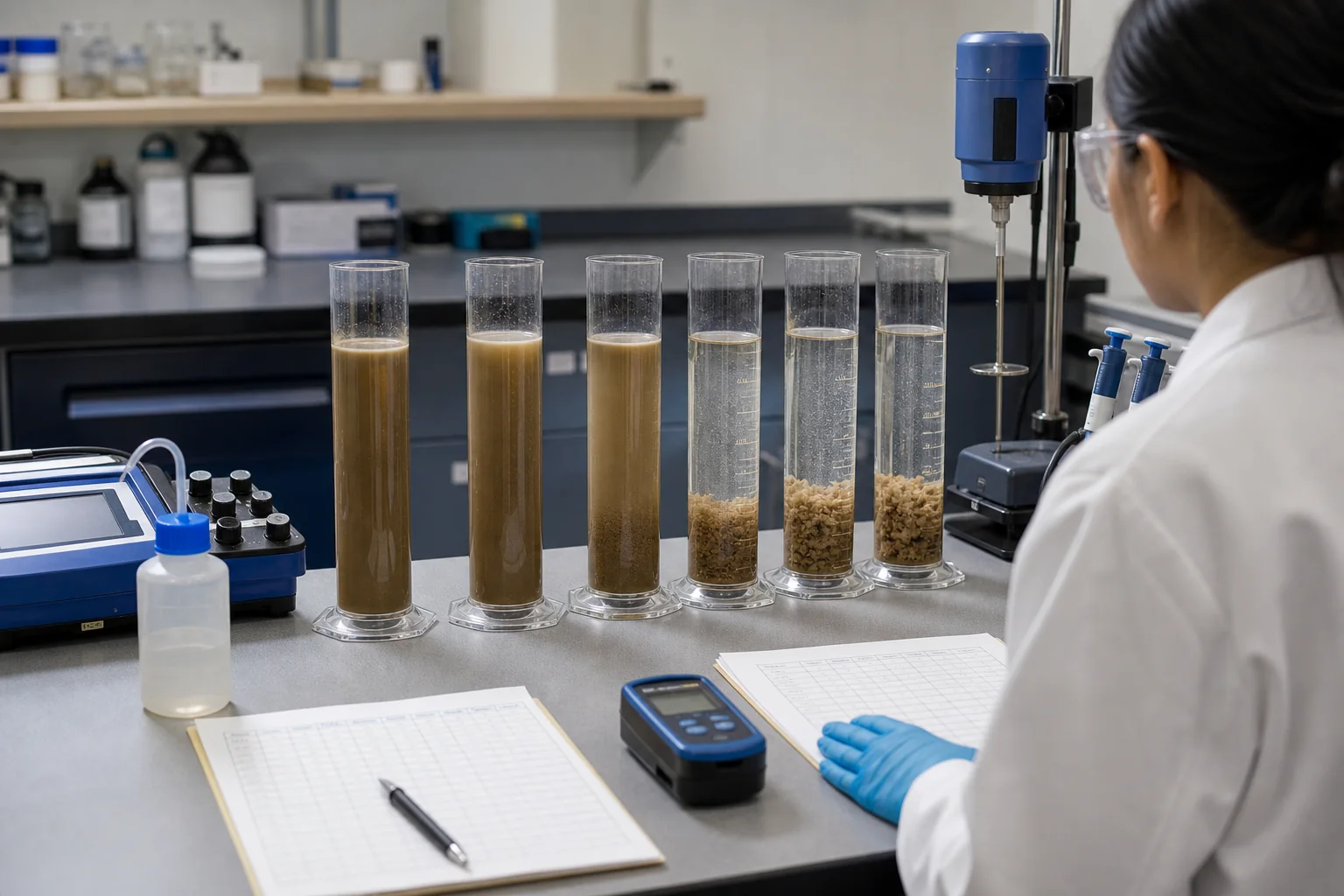 OPEN NOTE →02
Coagulant and Anionic Polyelectrolyte Addition Sequence
Set PAC, alum or ferric coagulant and anionic polyelectrolyte sequence using pH, rapid mix, delay, low-shear contact, settling and clarification evidence.
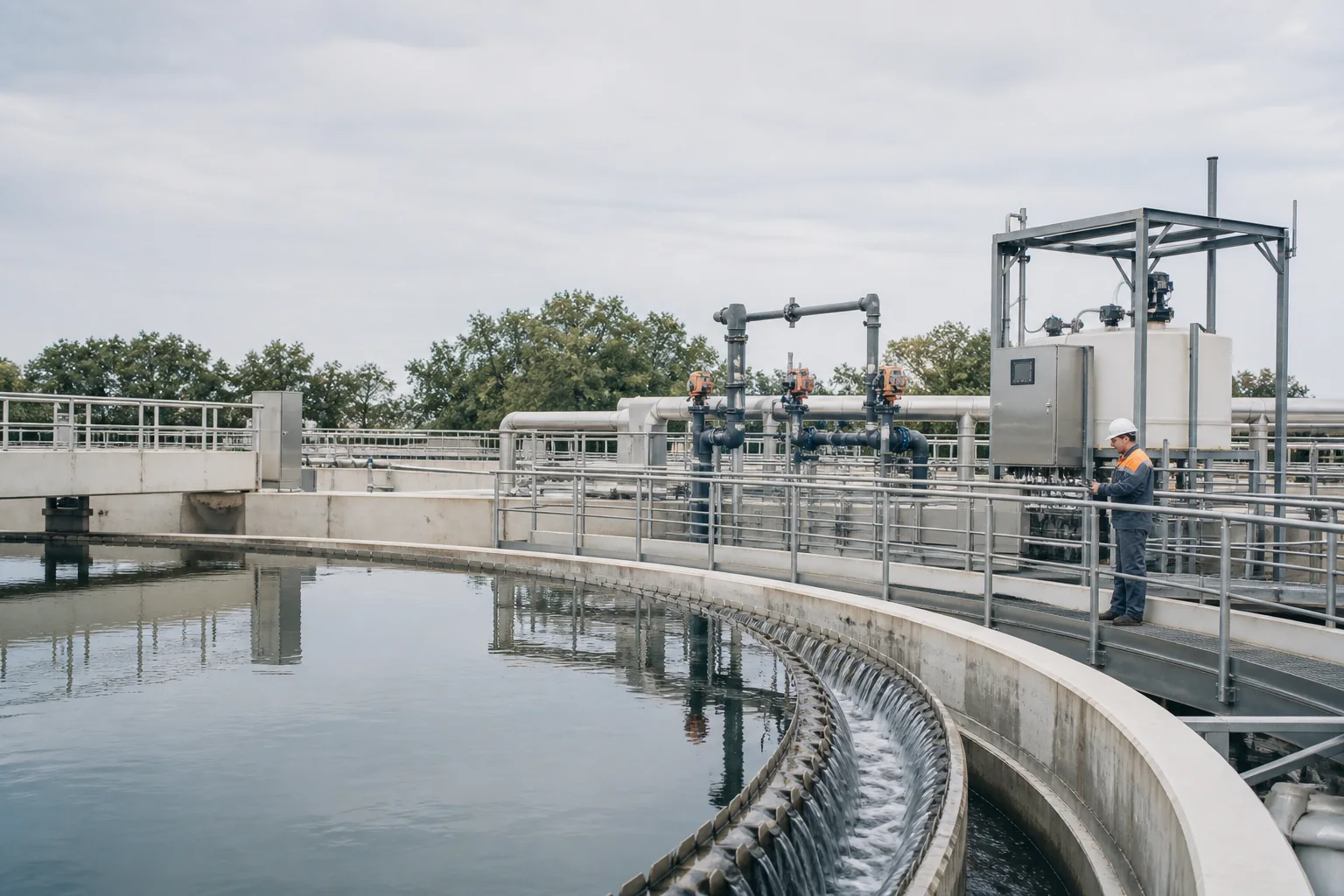 OPEN NOTE →03
Thickener Feedwell Dilution for Anionic Polyelectrolyte
Optimize thickener feedwell dilution and anionic polyelectrolyte contact using solids flux, mixing, settling, overflow, compaction and rake response.
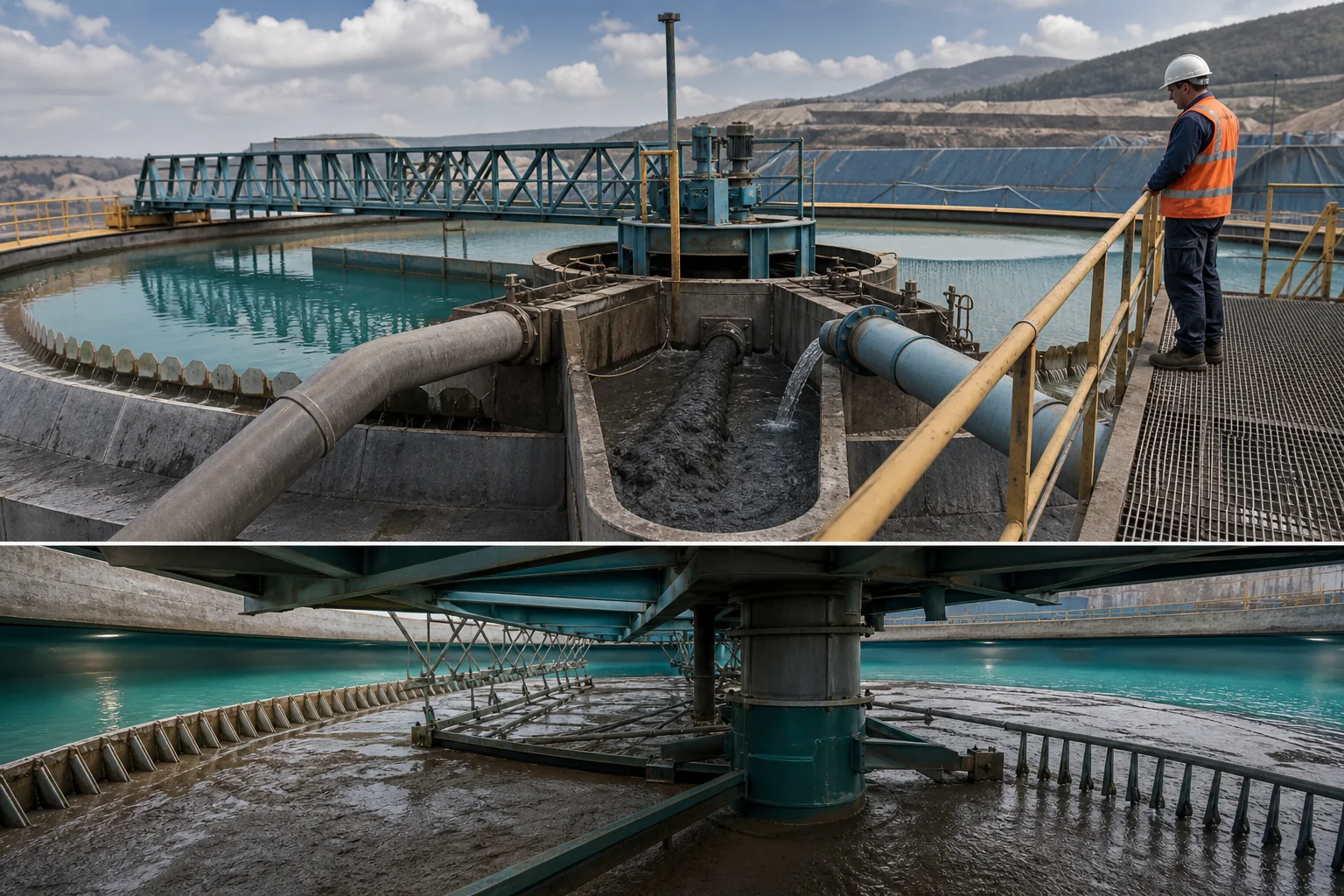 OPEN NOTE →04
Settling Rate vs Overflow Clarity in Polymer Trials
Balance settling rate and overflow clarity in anionic polyelectrolyte trials with dose curves, shear, fines capture, compacted volume and process limits.
OPEN NOTE →05Calculate Anionic Polyelectrolyte Dose per Dry Solids
Calculate active anionic polyelectrolyte dose from product, stock concentration, solution flow, slurry flow and dry solids, then reconcile actual use.
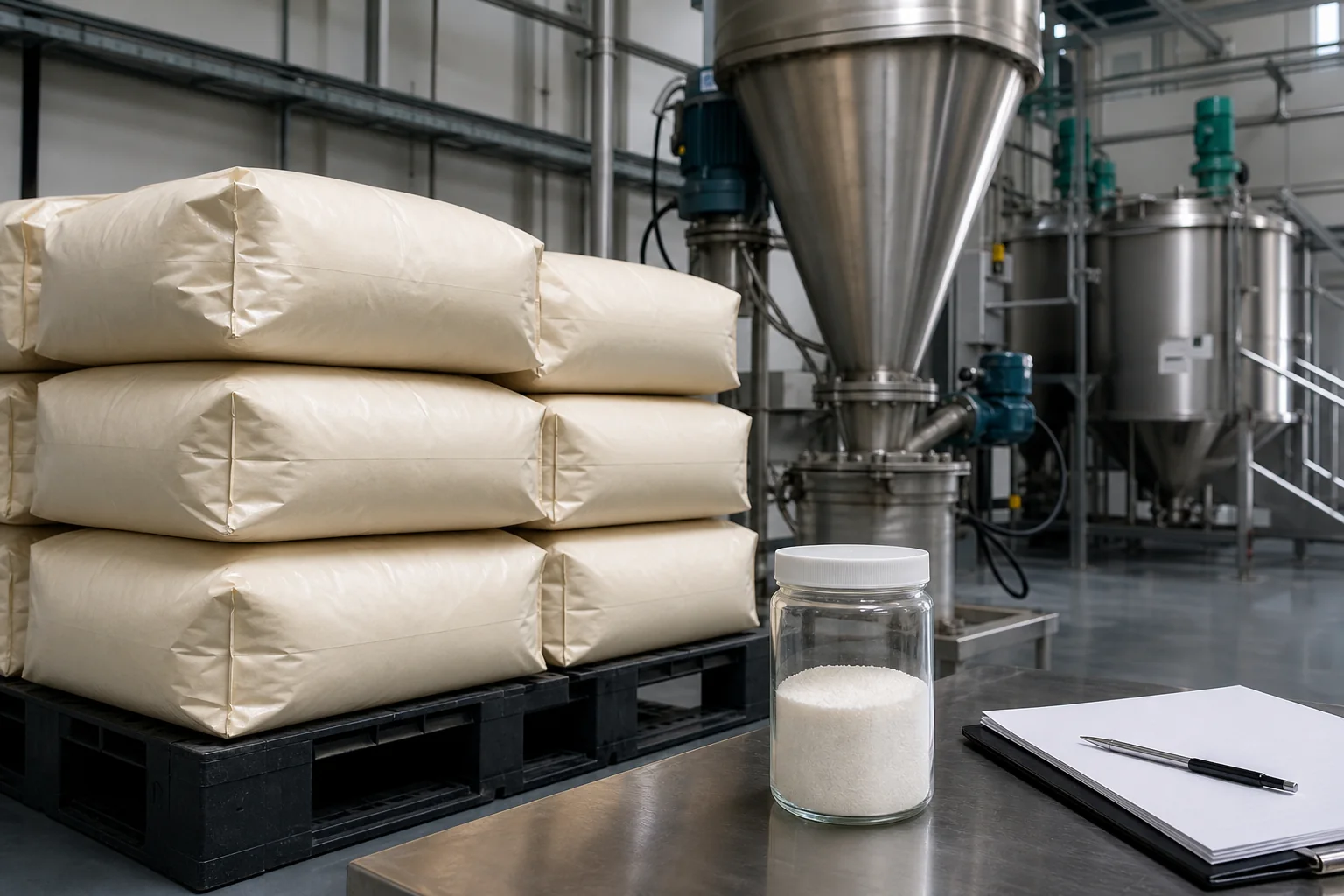 OPEN NOTE →06
How Water Chemistry Changes Anionic Polyelectrolyte Response
Evaluate pH, conductivity, hardness, multivalent ions and recycle-water changes during anionic polyelectrolyte selection and troubleshooting.
OPEN NOTE →07Anionic Polyelectrolyte Powder Preparation and Aging
Prepare anionic polyelectrolyte powder with controlled water, induction, concentration, maturation, dilution, transfer and solution-age checks.
OPEN NOTE →08Anionic Polyelectrolyte Supplier Specification Checklist
Evaluate anionic polyelectrolyte suppliers through grade identity, test method, application evidence, COA, retained samples, packaging and delivered treatment cost.
OPEN NOTE →