
Gongyi Xinqi Polymer Co., Ltd.ANIONIC POLYELECTROLYTEPROCESS WINDOW DESK
BRIDGE
SETTLE
RECOVER
+86 199 3767 3999
Sequence, contact, separationPRODUCT / CONTACT / OUTPUT

Anionic Polyelectrolyte Process Windows

Compare anionic polyelectrolyte process windows for post-coagulation clarification, mineral thickening and aggregate wash-water recycling.

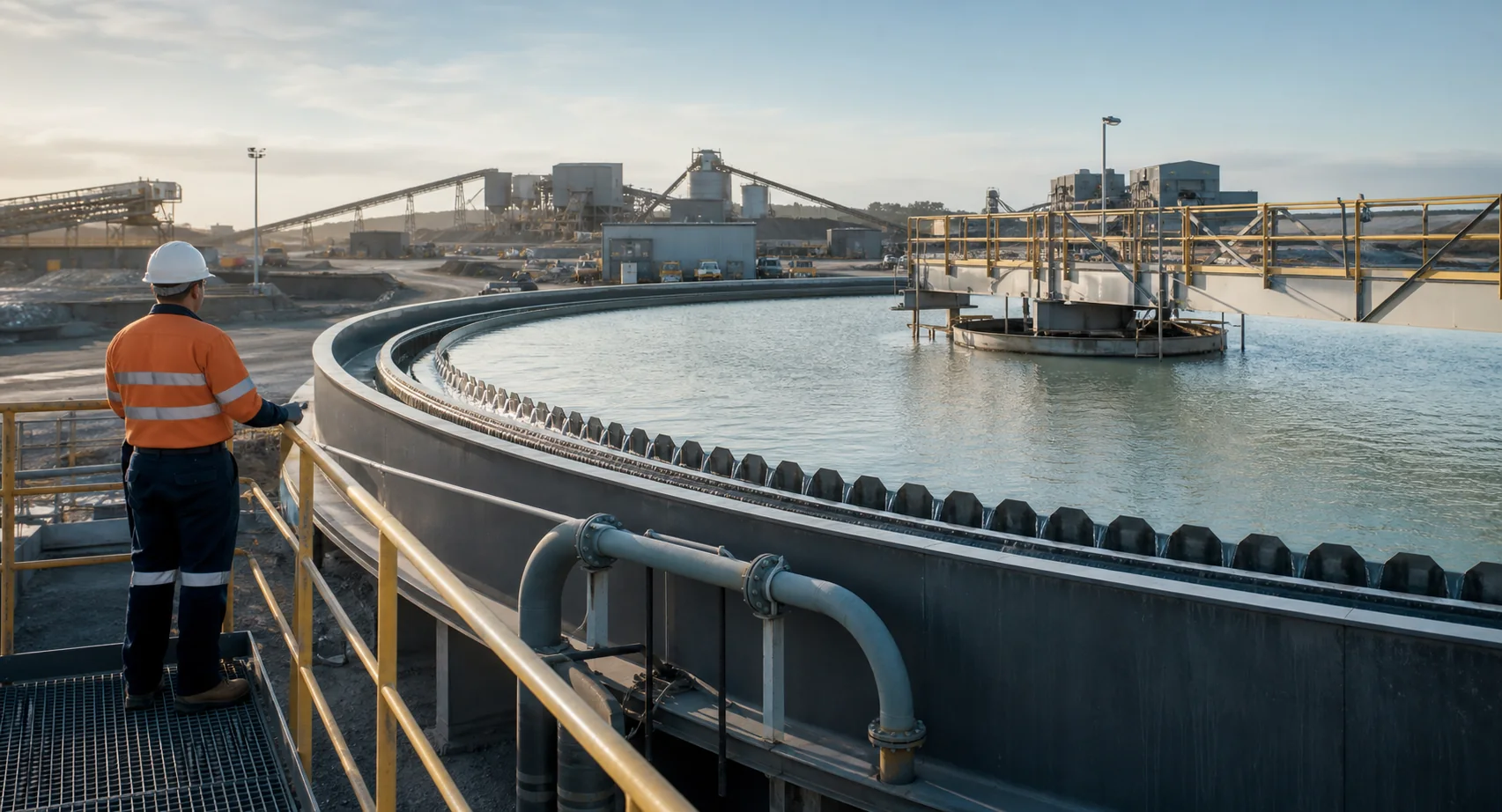
Industrial thickener used to map anionic polyelectrolyte process windows
DEFINE THE PROCESS WINDOW
W1
Coagulant → bridge → settle

Anionic Polyelectrolyte after Coagulation

Apply anionic polyelectrolyte after primary coagulation by controlling pH, addition sequence, mixing, active dose, settling and clarified-water endpoints.

OPEN WINDOW →
W2
Feedwell to underflow

Anionic Polyelectrolyte for Mineral Thickening

Select anionic polyelectrolyte for mineral thickeners using feedwell dilution, flocculation, settling flux, overflow clarity, bed compaction and rake response.

OPEN WINDOW →
W3
Closed-loop wash circuit

Anionic Polyelectrolyte for Aggregate Wash Water

Use anionic polyelectrolyte in aggregate wash-water recycling by testing clay load, settling, recycle clarity, sludge density and changing quarry feed.

OPEN WINDOW →
01

Define the upstream surface

Primary coagulation, mineral processing reagents and recycle-water ions determine what the polymer encounters. Record them before interpreting anionic charge or molecular profile.

Separate changes in feed chemistry from changes in product whenever possible.

02

Control contact history

Powder hydration, stock age, dilution, injection point, mixing energy and residence determine whether the long chain reaches the solids. Poor delivery can make a qualified product appear weak.

Map pumps, valves and feedwells between injection and separation. Include them in the plant trial record.

03

Use paired endpoints

Combine a rate endpoint with a quality or compaction endpoint. Settling speed with overflow clarity, capture with cake handling, or recycle clarity with sludge withdrawal gives a more reliable decision than one measurement alone.

Verify the final condition through the full hydraulic residence and expected feed range.

WhatsAppEmail